
1723534562.png)

CEED 2027 Exam Pattern PDF (Part A & B) Marking Scheme & Weightage Distribution
August 24, 2026
The CEED 2027 exam pattern has two parts that are compulsory to attempt with total 250 marks, over 3 hours.
Part A is a 1-hour, computer-based test worth 150 marks, with 44 objective questions across NAT (8), MSQ (10) and MCQ (26).
Part B is a 2-hour paper-based test worth 100 marks, with 5 drawing and design questions of 20 marks each.
Your final score will be calculated as per the weightage rule- 0.25 × Part A + 0.75 × Part B. Also, Part A is more like a screening round - your Part B booklet is evaluated only if you clear the Part A cut-off (µ + σ/2).
Key Highlights- CEED Exam Pattern 2027
- Two parts, 250 marks, 3 hours: Part A (CBT, 150 marks, 1 hour) + Part B (paper, 100 marks, 2 hours).
- Part A questions: 44 objective questions - NAT (8), MSQ (10) and MCQ (26).
- Part A marking: NAT +4 (no negative), MSQ partial marking (-1 in wrong cases), MCQ +3 (-0.5 for wrong).
- Part B questions: 5 subjective questions of 20 marks each - sketching, creativity, form sensitivity, visual sensitivity and problem identification. No negative marking.
- Final score: 0.25 × Part A + 0.75 × Part B, so Part B carries 75% of the weight.
- Screening rule: Part B is evaluated only if you clear the Part A cut-off (GEN = µ + σ/2; OBC-NCL/EWS = 0.9δ; SC/ST/PwD = 0.5δ).
- Mode note: Part B questions appear on screen, but answers are drawn in a physical answer booklet.
If you’re preparing for CEED 2027, one of the first questions you’ll ask is: What exactly is the CEED 2027 exam pattern? Because only if you understand the pattern, you’ll know the structure of the paper, the format of different sections, marking scheme etc. And accordingly you can strategize a study plan for maximum scores.
The Common Entrance Examination for Design (CEED) is conducted by IIT Bombay every year for admission to the M.Des courses at various IITs and other top design CEED colleges. Its exam pattern is unique because it doesn’t just test your drawing skills but also your design aptitude, reasoning, problem-solving, and creativity.
If you are looking for information about the CEED exam pattern 2027? This guide breaks down the CEED exam paper pattern, marking scheme, time limits, syllabus, and smart tips to crack it. Whether you’re searching for the CEED 2027 exam pattern and syllabus or looking for the official CEED paper pattern PDF, this blog covers everything in one place.
CEED Exam Pattern 2027 - Overview
The CEED 2027 exam pattern is divided into two parts - Part A and Part B. Both are compulsory, and scores from Part A are used to shortlist candidates for Part B evaluation.
|
Part |
Mode |
Marks |
Duration |
Purpose |
|
Part A |
Computer-based (CBT) |
150 |
1 hour (9:00-10:00 AM) |
Screening test - aptitude, reasoning, visual & design sensitivity |
|
Part B |
Paper-based (sketching) |
100 |
2 hours (10:00 AM-12:00 noon) |
Drawing, creativity, design thinking |
|
Total |
— |
250 |
3 hours |
Final score = 0.25 × Part A + 0.75 × Part B |
Both parts are compulsory, but Part A acts as a screening round- your Part B answer booklet is evaluated only if you clear the Part A cut-off. Part B then carries 75% of your final score.
CEED Exam Paper Pattern 2027- Part A
Part A is the screening test. It is computer-based and includes objective questions.
Types of Questions in Part A:
- NAT (Numerical Answer Type): You type the answer (no options).
- MSQ (Multiple Select Questions): More than one option may be correct.
- MCQ (Multiple Choice Questions): Only one option is correct.
|
Section |
Number of Questions |
Marks for each correct answer |
Marks for each wrong answer |
Marks for each question not attempted |
Total Marks |
|
NAT |
8 |
4 |
0 |
0 |
32 |
|
MSQ |
10 |
Partial Marking (as detailed in section 2) |
-1 (Negative marking) |
0 |
40 |
|
MCQ |
26 |
3 |
-0.5 (Negative marking) |
0 |
78 |
|
Total |
44 |
150 |
Topics Covered in Part A:
As per CEED exam pattern and syllabus 2027, following are the topics that are usually asked in the exam:
- Visualization & spatial reasoning
- Observation & design sensitivity
- Environmental & social awareness
- Analytical & logical reasoning
- Language & creativity
- Design aptitude & general awareness
Pro Tip: Part A of the CEED syllabus decides whether your Part B answer sheet will even be evaluated. So, balancing accuracy and speed here is critical.
CEED Exam Paper Pattern 2027- Part B
Part B is pen-and-paper-based and consists of five questions to test design, drawing, and writing skills. The questions in Part-B will be displayed on the computer screen, and the answers should be written in the answer book provided by the invigilator (NOT into the Computer).
However, you need to tick the appropriate box on the computer screen to indicate that you have answered the same.
Types of Questions in Part B:
- Drawing from observation
- Product design/redesign problems
- Storyboarding & concept visualization
- Communication design tasks
|
Section |
Number of Questions |
Partial Marks |
Negative Marks |
Marks |
|
Sketching |
1 |
Yes |
No |
20 |
|
Creativity |
1 |
Yes |
No |
20 |
|
Form Sensitivity |
1 |
Yes |
No |
20 |
|
Visual Sensitivity |
1 | Yes | No | 20 |
|
Problem Identification |
1 | Yes | No | 20 |
| Total | 5 | - | - |
100 |
Evaluation:
- Answers are subjective and checked manually by experts.
- Marks depend on creativity, originality, functionality, and neatness.
- Part B is where you truly prove your design thinking ability.
If you want the official CEED paper pattern PDF, it is usually released with the CEED information brochure on IIT Bombay’s official site. Or watch this space as we'll update the official CEED exam pattern pdf for 2027 exam here as soon as it's released by the institute (tentatively around October 1st week in 2025).
Planning your application? See the CEED fee structure and application charges.
CEED Exam Pattern 2027- Marking Scheme and Final Score Calculation
Understanding the CEED exam pattern 2027 is incomplete without knowing exactly how the marks are calculated. Unlike many design exams, CEED 2027 has a two-step evaluation system:
1. CEED Marking Scheme 2027
Part A (Computer-Based, 150 marks)
|
Types of Questions |
Number of Questions |
Question Number |
Marking Scheme |
Total Marks |
|
NAT (Numerical Answer Type) |
8 questions |
1-8 |
+4 for correct answer 0 for wrong answer |
32 |
|
MSQ (Multiple Select Question) : Each MSQ may have one or more than one correct choice(s) out of the four given |
10 questions |
9-18 |
+ 4 If only (all) the correct option(s) is(are) chosen and NONE of the incorrect options is chosen. |
40 |
|
+ 3 If all the four options are correct but ONLY three options are chosen. |
||||
|
+ 2 If three or more options are correct but ONLY two options are chosen (both of which are correct and NONE is incorrect) |
||||
|
+ 1 If two or more options are correct but ONLY one option is chosen and it is a correct option and NONE of the incorrect options is chosen. |
||||
|
0 if no option is chosen |
||||
|
-1 In all other cases (even for 1 incorrect option chosen) |
||||
|
MCQ (Multiple Choice Questions) |
26 questions |
19-44 |
+3 for each correct answer -0.5 for incorrect answer |
78 |
|
Total |
44 |
1-44 |
150 |
Before you prepare, first confirm if you even qualify for participation- check the CEED eligibility criteria.
Part B (Sketching/Subjective, 100 marks)
|
Section |
Number of Questions |
Question Number |
Partial Marks |
Negative Marks |
Marks |
|
Sketching |
1 |
1 |
Yes |
No |
20 |
|
Creativity |
1 |
2 |
Yes |
No |
20 |
|
Form Sensitivity |
1 |
3 |
Yes |
No |
20 |
|
Visual Sensitivity |
1 |
4 |
Yes |
No |
20 |
|
Problem Identification |
1 |
5 |
Yes |
No |
20 |
|
Total |
5 |
1-5 |
100 |
2. CEED Final Score Calculation 2027
The final CEED score = 25% of Part A + 75% of Part B.
This clearly shows why Part B of the CEED exam pattern carries more weight and why preparing only for Part A won’t get you through.
CEED 2027 Cut-Offs & Shortlisting Logic
Only those who meet this Part A CEED cut-off will have their Part B answer sheets evaluated. The cut-off for GEN category is dynamic and calculated using:
𝜇 + ( 𝜎/ 2 ) = 𝛿,
where 𝜇 is the average mark, and 𝜎 is the standard deviation of the distribution of marks obtained by ALL the candidates in Part-A of CEED 2025.
How the Part A Cut-Off Actually Works (Worked Example)
The Part A cut-off is not a fixed number- it depends on the given year’s exam difficulty level. Here's a simple illustration:
Suppose the average (µ) Part A score across all candidates is 40, and the standard deviation (σ) is 20. Then the General-category cut-off is:
δ = µ + σ/2 = 40 + (20 ÷ 2) = 50 marks.
- General: must score at least 50 in Part A
- OBC-NCL / EWS: 0.9 × 50 = 45
- SC / ST / PwD: 0.5 × 50 = 25
Only candidates above their category cut-off get their Part B booklet evaluated. The takeaway: aim to score comfortably above the likely average, not just to "pass".
|
Feature |
Part A |
Part B |
|
Mode |
Computer-based (objective) |
Paper-based (drawing) |
|
Marks |
150 |
100 |
|
Duration |
1 hour |
2 hours |
|
Questions |
44 (NAT, MSQ, MCQ) |
5 (20 marks each) |
|
Negative marking |
Yes (MSQ, MCQ) |
No |
|
Weight in final score |
25% |
75% |
|
Role |
Screening / qualifier |
Main evaluation |
As the exam nears, use this CEED last-minute revision strategy.
How to Approach CEED Exam Pattern 2027 Strategy
For Part A:
Part A is your screening round, your Part B won’t even be evaluated unless you clear the Part A cut-off. That’s why it’s crucial to approach it smartly.
1. Time Division:
NAT (Numerical Answer Type): 15-20 mins (avoid getting stuck).
MSQ (Multiple Select Questions): 15-20 mins (use elimination, partial marks possible).
MCQ: 20-25 mins (quick scan, attempt maximum).
2. Accuracy First: Don’t rush NAT questions. Unlike MCQs, there are no options, you must calculate.
3. Guessing Strategy: Attempt educated guesses in MCQs and MSQs only after eliminating 2 options. Random guessing can cause negative marking.
4. Visual & Analytical Practice: Practice puzzles, series, cubes, nets, gears, and logical patterns daily. These make up a significant chunk of marks.
5. Mock Test Drill: Attempt full Part A mocks in 1-hour slots to build speed and stamina.
Pro Tip: Think of Part A as a “qualifier.” Don’t aim for perfection, aim for clearing the sectional cut-off comfortably.
For Part B:
Part B is where the real evaluation happens (75% weightage in final score).
Part B of the CEED exam pattern 2027 has 5 descriptive questions worth 20 marks each. These test your ability to observe, create, analyze, and solve problems through sketches and design thinking.
1. Sketching
Type of Questions Asked: Draw a human activity, object in perspective, or scene showing posture and proportion.
Strategy:
- Focus on proportions and perspective rather than decoration.
- Add minimal background/context for clarity.
- Use clean strokes and light shading for depth.
Pro Tip: Practice fast gesture drawings: speed + accuracy matter.
2. Creativity
Type of Questions : Redesign an everyday object, imagine a product for a unique user, or illustrate an abstract theme.
Strategy:
- Generate multiple thumbnails before finalizing.
- Show the product in use to highlight functionality.
- Add short notes/labels to explain features.
Pro Tip: Examiners reward original + practical ideas over wild but unrealistic ones.
3. Form Sensitivity
Type of Questions: Translate a given shape, pattern, or style into a new product design.
Strategy:
- Identify key visual cues (shape, rhythm, texture).
- Maintain a consistent design language in multiple views.
- Use shading and hatch marks to suggest surface finishes.
Pro Tip: Start with the silhouette, it defines identity instantly.
4. Visual Sensitivity
Type of Questions: Quick sketches to represent objects, characters, or scenarios with clarity.
Strategy:
- Capture defining traits in minimal strokes.
- Ensure consistency across multiple small sketches.
- Focus on readability, avoid clutter.
Pro Tip: Practice 2–3 minute object/animal sketches daily
5. Presentation Skills:
- Use clean lines, avoid smudges.
- Add notes/labels if space allows.
- Don’t erase too much, messy sheets lose marks.
Pro Tip: Even a simple idea, if presented neatly and thoughtfully, can outscore a complex but unfinished one.
Match your prep to the right resources with the best CEED preparation books.

CEED Exam 2027 is for What Purpose?
Before diving into the CEED exam pattern 2027 let’s clarify CEED exam is for what purpose.
The CEED exam is for admission into Master of Design (M.Des) and PhD design programs at IIT Bombay, IIT Delhi, IIT Hyderabad, IIT Guwahati, IIT Roorkee, IIITDM Jabalpur, and several other leading institutes.
In short, CEED identifies creative problem-solvers and innovators who can handle advanced design education and careers.
Primary Purpose of CEED 2027:
- Admission into M.Des Programs: CEED is the official gateway for Master of Design (M.Des) programs at IIT Bombay, IIT Delhi, IIT Hyderabad, IIT Guwahati, IIT Roorkee, and IIITDM Jabalpur.
- PhD Programs in Design: Some IITs and design institutes also use CEED scores for PhD admissions.
- Eligibility for Other Institutes: Many leading design schools across India accept CEED scores beyond IITs (like IISc Bangalore and select private institutes).
CEED Exam Eligibility for 2027 (Quick Note)
Qualification: Must have completed or be appearing in a Bachelor’s degree (any discipline) of 4 years OR 3+2 (after 10+2).
Age Limit: No age limit.
Attempts: No restriction on attempts.
This makes CEED one of the most accessible design PG exams in India.
Check: CEED Registration 2027: Application Form. Fee and Step-by-step Process
CEED Important Topics (Updated & Detailed for 2027 Exam)
To crack the CEED (Common Entrance Exam for Design) and secure a seat in top IIT design programs such as IIT Bombay, IIT Delhi, IIT Hyderabad, IIT Kanpur, IIT Guwahati, and IISc, you must know which topics matter the most.
The CEED syllabus is vast, but year after year, certain high-yield topics carry more weightage and appear consistently in both Part A and Part B of the exam.
Below is the most comprehensive and updated list of CEED important topics, divided into sections with explanations and examples to guide your preparation.
PART A – CEED IMPORTANT TOPICS
Part A tests your visual reasoning, design aptitude, observation skills, logical thinking, and general design awareness. It is a computer-based section worth 100 marks.
1. Visualization & Spatial Ability (High Weightage)
Questions involve mental manipulation of 2D/3D forms.
Important sub-topics:
- 2D to 3D conversion
- 3D object rotations
- Mirror reflections
- Shadows and projections
- Cross-sections
- Folding/unfolding of surfaces
- Net diagrams of solids
Example question:
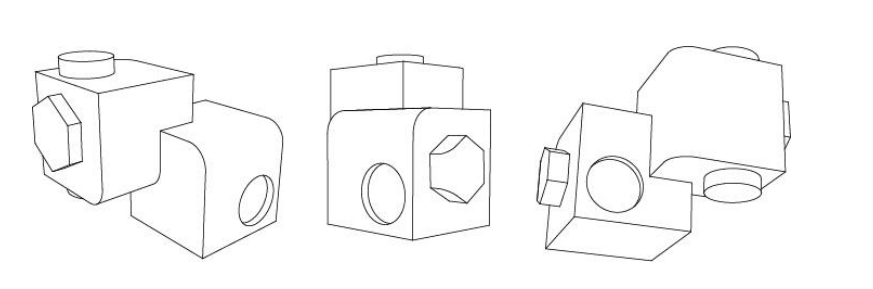
1} Shown below are three perspective views of a solid object. How many surfaces does the object have? Assume hidden surfaces to be flat.
2} Shown on the left is the image of an unfolded cube. Which of the options represent(s) the folded cube?

2. Observation & Design Sensitivity (Frequently Tested)
Tests your ability to see visual details and aesthetic patterns.
Important sub-topics:
- Spot the difference
- Identify missing elements
- Visual patterns and anomalies
- Product usage errors
- Everyday objects redesign cues
Example:
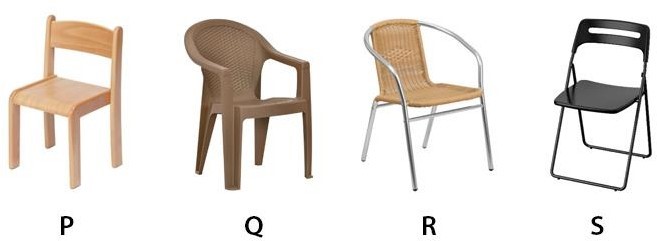
1} Shown below are images of chairs produced using typical manufacturing processes. Which of the following statements is/are TRUE?
3. Analytical & Logical Reasoning (Consistent Weightage)
These test problem-solving ability.
Important sub-topics:
- Pattern recognition
- Analogies
- Series (numeric + visual)
- Puzzle-based problems
- Coding-decoding
- Syllogisms & logic puzzles
- Mirror Images
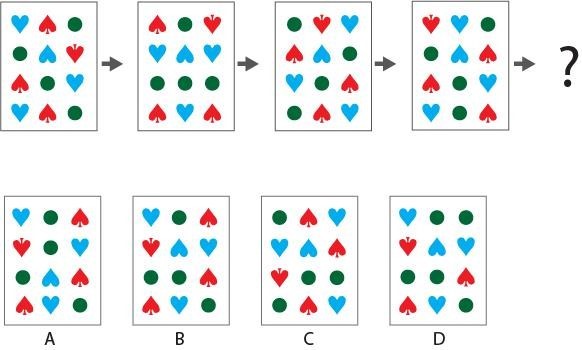
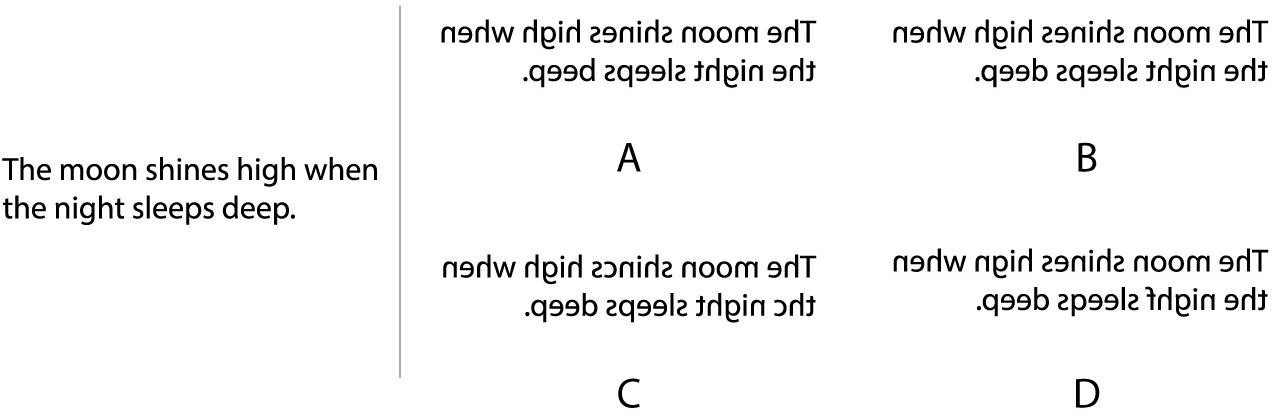
Example:
1} Which option will replace the question mark?
2} Which option is the mirror image of the sentence shown on the left?
4. Language & Reading Comprehension (Moderate Weightage)
Tests your ability to interpret and analyze written passages.
Important sub-topics:
- Synonyms/antonyms
- Paragraph interpretation
- Inference-based questions
- Grammar and usage
Example:
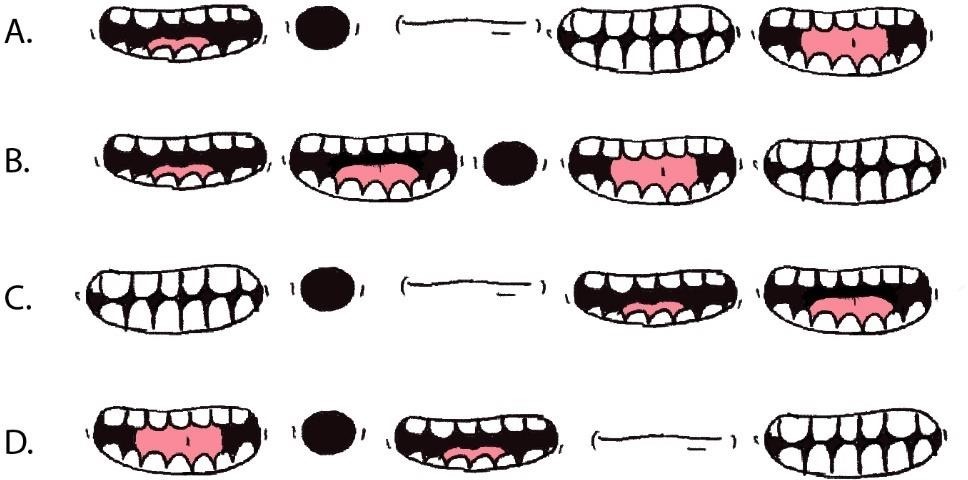
When “See you, bye” is spoken, which option shows the correct sequence of the lip movement?
5. Environmental & Social Awareness (High Yield)
Design doesn’t exist in isolation. CEED checks whether you understand real-world contexts.
Important sub-topics:
- Indian culture & arts
- Government initiatives relating to design
- Sustainability & environment
- Social issues
- Public policy related to design
- Technology & innovation trends
Example:
1} A question on sustainable packaging designs introduced in India.
6. Art, Design & Architecture Awareness (Very High Frequency)
This is one of the most scoring CEED important topics.
Important sub-topics:
- Famous designers (national & international)
- Landmark architectural styles
- Design movements
- Typography & fonts
- History of art + modern art
- Industrial product design evolution
Example:
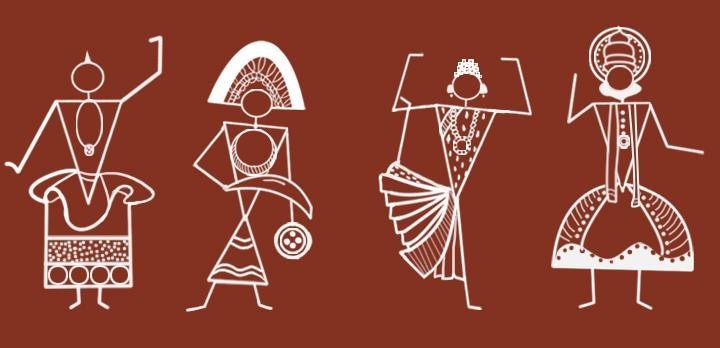
1} Which options shown below shows the correct sequence of the dance form?
2} Which of the materials given in the options is/are used in the painting style shown below?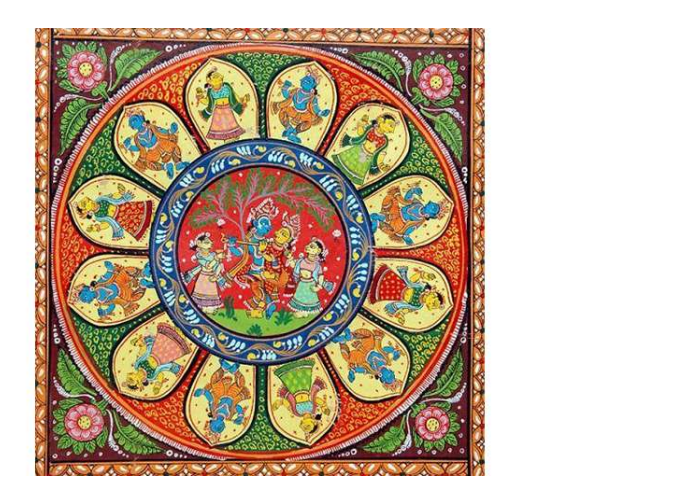
7. Creativity, Imagination & Visual Communication (Important)
CEED Part A includes questions related to graphics, layout, and visual relationships.
Important sub-topics:
- Visual symbolism
- Logo interpretation
- Story sequencing
- Graphic communication
- Poster/advertisement layouts
Example:
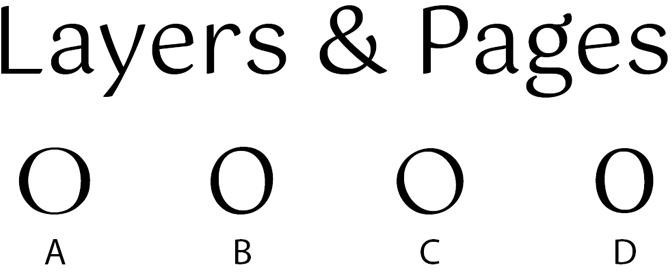
1} Shown below are words in a particular font. Which option belongs to the same font?
8. Animation & Storytelling Basics (Moderate Weightage)
Useful especially for students targeting animation & film programs.
Important sub-topics:
- Key frames & transitions
- Storyboarding basics
- Movement & timing principles
- Perspective in animation
Example:
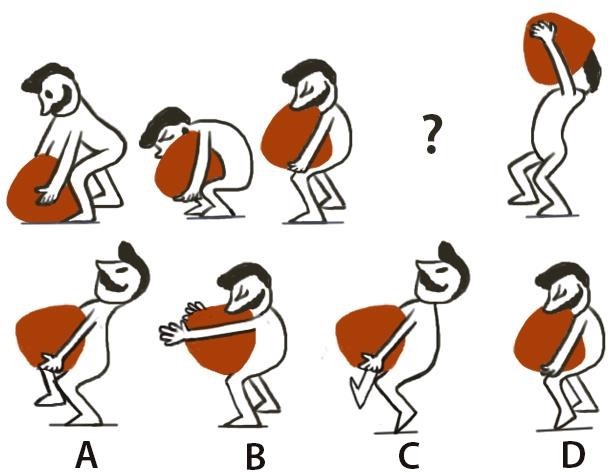
Shown below are the key frames of a character lifting a sack. Which option will replace the question mark?
Also Check: CEED Last Minute Preparation Strategy 2027: Section-wise Revision Tips
PART B – CEED IMPORTANT TOPICS
Part B evaluates your drawing ability, creativity, problem-solving skills, and design thinking.
It is conducted offline and has 100 marks weightage.
1. Problem Solving & Design Thinking (Highest Weightage Topic)
This is the heart of CEED Part B. You’ll be given a scenario and asked to design a product, interface, or system.
Important sub-topics:
- User-centered design
- Functionality vs aesthetics
- Ergonomics
- Redesign of everyday objects
- Usability & accessibility
- Design for special user groups (children, elderly, disabled)
Example prompt:
PROBLEM IDENTIFICATION: Mandatory question (20 marks = [5+5] + [5+5] marks)
A typical vegetable cart, as seen in India, is shown below.

A. Identify and list FIVE distinct problems from a buyer’s point of view and FIVE distinct problems from a seller’s point of view in this List the problems only in the given space. (5 + 5 marks)
B. From the above-listed problems, draw and visually explain any ONE problem of the buyers, and any ONE problem of the sellers in the given boxes. (5 + 5 marks)
Additional Instructions:
- Do not limit yourself to the buyer and seller in the given
- Write the identified problems only on the dotted
- Draw and visually explain the listed problems only in the given
Evaluation Criteria:
- Ability to identify unique and relevant problems in the given context
- Severity of the problems identified
- Ability to communicate problems through visuals Presentation, clarity and neatness
2. Creativity & Visual Imagination (Extremely High Weightage)
These questions test originality and innovation.
Important sub-topics:
- Out-of-the-box product ideas
- Alternative uses for objects
- Inventive sketches
- Visual metaphors
Example:
Shown below are new animals that have been acquired by an Indian Zoo.
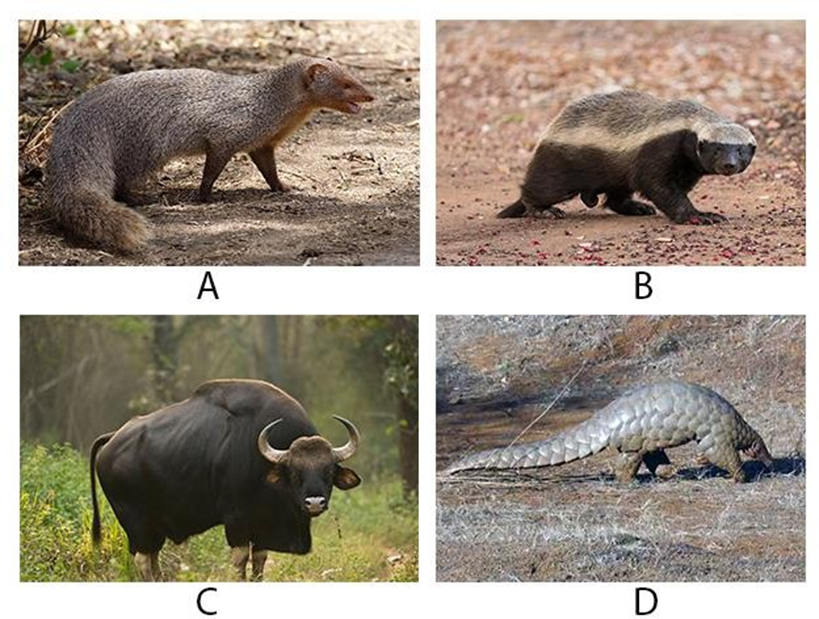
- Indian Grey Mongoose
- Honey Badger
- Indian Bison
- Indian Pangolin
The Zoo wishes to create a signage to guide visitors around the enclosures of these animals. Create four icons using only BLACK colour to indicate the animal in the enclosure. All icons should be clear and visible, and have a consistent visual language. Draw the icons in the FOUR squares provided in the answer booklet.
3. Drawing Skills & Presentation (Core Part B Topic)
Drawing ability does not mean perfection; CEED evaluates clarity of concept.
Important sub-topics:
- Perspective sketching (1-point, 2-point, 3-point)
- Light & shadow
- Human figures and proportions
- Product sketching
- Line quality & composition
- Exploded views
Example:
“Draw the interior of a café as viewed from a corner table.”
Toprankers CEED Preparation Tips 2027: Check Step Wise Preparation Strategy & Toppers tips
4. Visual Narratives & Storyboarding
Essential for animation and film aspirants.
Important sub-topics:
- Sequential storytelling
- Camera angles
- Human emotions
- Scene development
- Character movement
Example:
1} 7-year-old Chinnu has collected all her old toys in a carton. The carton weighs around 2 kg. Draw Chinnu lifting the box and keeping it in the top shelf of her cupboard in the 4 frames given in the answer sheet.
Additional Instructions:
- Use only pencils
- Do not use colours
Evaluation criteria:
- Humour
- Expressions
- Body Language
- Anticipation and exaggeration
5. Object Depiction & Form Sensitivity
Tests how well you perceive and represent objects.
Important sub-topics:
- Object visualization
- Structural breakdown of forms
- Material understanding
- Texture rendering
Example:
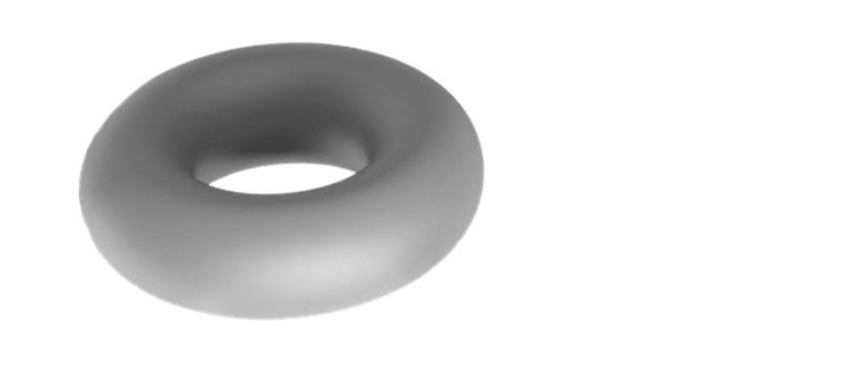
Inspired from the given three-dimensional form, conceptualise, sketch, and render a single seater furniture for a living room.
6. Scene Creation & Observation-Based Drawing
A very common CEED Part B theme.
Important sub-topics:
- Realistic composition
- Spatial arrangement
- Human activities
- Scene storytelling
Example:
Two kids, Kaa and Kii, are on an adventure trip in a forest. While exploring, suddenly a bear emerges and starts chasing them. The kids start running in panic through the forest. A fox is watching the whole scene. Sketch this scene from the fox’s point of view. The sketch should be clear and visible.
Additional Instructions:
- Use only black/HB-series pencils
- Do not use other colours
- Draw only in the given space
Evaluation Criteria:
- Character and expressions
- Proportion and composition
- Quality of sketching
- Environment and props
7. Visual Sensitivity:
- Creative Transformation
- Proportion & Scale
- Perspective & Depth
- Anatomy & Rendering Skills
Examples:
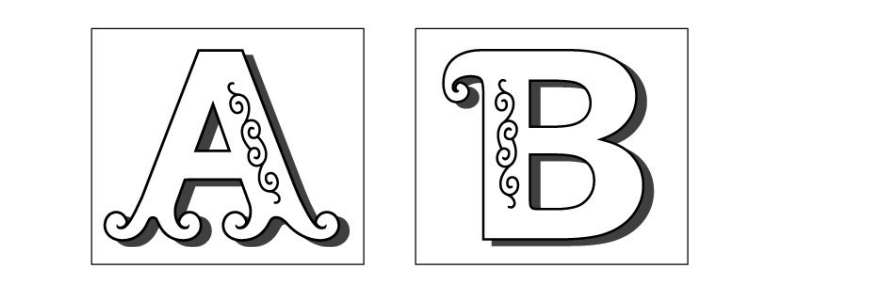
1} Shown below are two letters A & B of an ornamental font. Using this font style create the word ‘Forest’ (the first letter in uppercase and the remaining in lowercase).
Evaluation criteria:
- Consistency in visual characteristics
- Font anatomy
- Proportion
- Rendering skills
CEED Important Topics 2027 : Topic-wise Weightage Distribution
|
Part |
Topic |
Importance |
|
Part A |
Visualization & Spatial Ability |
Very High |
|
Part A |
Design & Art Awareness |
Very High |
|
Part A |
Analytical & Logical Reasoning |
High |
|
Part A |
Observation & Sensitivity |
High |
|
Part A |
Reading Comprehension |
Medium |
|
Part B |
Problem Solving & Design Thinking |
Very High |
|
Part B |
Perspective Drawing |
Very High |
|
Part B |
Creativity & Imagination |
High |
|
Part B |
Storyboarding |
High |
|
Part B |
Scene Creation |
High |
Must-know: What is the Difference Between UCEED and CEED? Check Complete Guide
Use Creativedge Free Resources 2027 Strategically
|
FREE CEED Study Material Name |
Link |
|
CEED Study Material for Drawing |
|
|
CEED Study Material for Creativity |
|
|
CEED Study Material for Form Sensitivity |
|
|
CEED Study Material for Visual Sensitivity |
|
|
CEED Study Material for Problem Solving |
|
|
CEED Study Material for Logical Reasoning |
|
|
CEED Study Material for Language and Creativity |
|
|
CEED Study Material for Aptitude |
Conclusion
Understanding the CEED exam pattern 2027 is the first step towards cracking it. With its unique two-part structure, CEED tests not just creativity but also analytical aptitude.
So, if you’re preparing for CEED 2027:
- Master Part A reasoning & aptitude for cut-off clearance.
- Practice Part B sketching & design problems for high scores.
- Download the official CEED paper pattern PDF once released for updates.
CEED Exam Pattern 2027 - Key Insights
Here are some insights that many blogs miss but aspirants should know:
- Cut-off Dependency: Clearing Part A cut-off is essential to qualify for Part B evaluation.
- Weightage: Final CEED score = 25% Part A + 75% Part B.
- Common Mistake: Many focus only on sketching (Part B) and ignore Part A aptitude. Both matter!
- Practice with Past Papers: Solving previous year CEED papers is the best way to understand difficulty and style.
- Balance Creativity + Functionality: CEED rewards practical design thinking, not just beautiful sketches.
The right balance of logic + creativity is what CEED looks for. Start early, stay consistent, and let your design thinking shine. CEED can open up a world of exciting job opportunities for you in the design industry in India.

Attempt a Free CEED Mock Test Now
Fill your details
Frequently Asked Questions
What is the CEED exam pattern 2027?

Is CEED paper pattern the same every year?
What is the weightage of Part-A and Part B in CEED 2027?
What is the CEED 2027 exam eligibility?
Is there negative marking in CEED?
Is CEED tougher than UCEED?
What is CEED for?
Are CEED and UCEED the same?
Vineeta Agrawal
Communications Executive
SHARE